Social media is deeply ingrained in our lives, both for personal use on platforms like Instagram or TikTok and for professional networking on sites such as LinkedIn. While social media offers numerous benefits, it also presents potential security risks. Employees serve as the first line of defense against cyber threats, making it essential for organizations to equip them with effective social media security practices and tools to safeguard their online brand presence. Inadequate social media security measures can lead to multiple challenges and potential threats, including data breaches, impersonation, and reputational damage, which necessitate our utmost attention and proactive measures.
To help navigate these risks, we have compiled the best social media security practices to secure your social media accounts and protect your digital presence.
Social media security refers to the proactive measures taken by individuals or organizations to protect their data, privacy, and confidentiality and prevent businesses from threats and risks present on social media platforms.
It involves protecting personal information through various methods such as ensuring secure account authentication processing, controlling third-party access control and permissions, and raising awareness programs about common social engineering tactics, and best practices for online safety.
Social media is important for safeguarding the digital assets, privacy, and reputation of individuals and organizations. It involves implementing a range of proactive measures to mitigate the potential impact of cyber attacks, data breaches, and unauthorized access.
Recent actions by Meta highlight this urgency. Meta took action against 631 million fake accounts between January and March 2024. This staggering number underscores the significance of robust social media security practices. Here are a few reasons why social media security is critical:
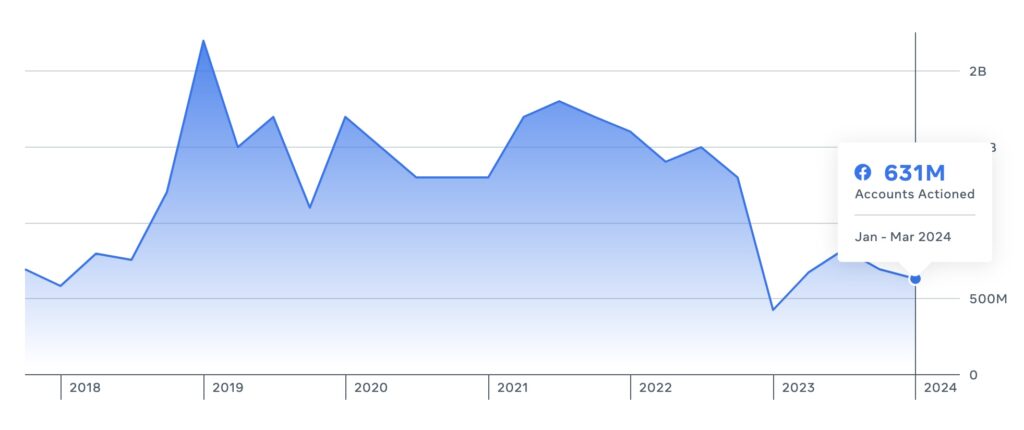
Image Source : Meta
Social media stores vast amounts of personal data. Safeguarding this data from unauthorized access ensures privacy and prevents misuse, such as identity theft or financial fraud.
2. Maintains Brand Reputation:
Social media security is crucial for preserving online reputation and safeguarding brand trust and credibility. It provides better control over one’s online presence, prevents unauthorized access that can lead to the posting of inappropriate content, and protects sensitive information such as intellectual property maintaining brand reputation.
3. Mitigates Social Engineering Attacks:
Robust social media security measures help prevent cyber threats, identify theft, scams, and social engineering attempts including phishing, malware, catfishing, brand impersonation and more. This helps protect users from being tricked into revealing sensitive information fostering a safe online environment.
4. Compliance with Regulation:
Implementing strong social media security practices ensures compliance with relevant data protection regulations and industry standards such as GDPR, CCPA, and PCI DSS. This protects sensitive data, avoids legal penalties, and enhances your customer trust and credibility.
Social media usage best practices involve robust strategies for maintaining security while using social media. They include creating strong, unique passwords and enabling two-factor authentication for added protection.These practices help safeguard your accounts from unauthorized access and enhance overall online security.
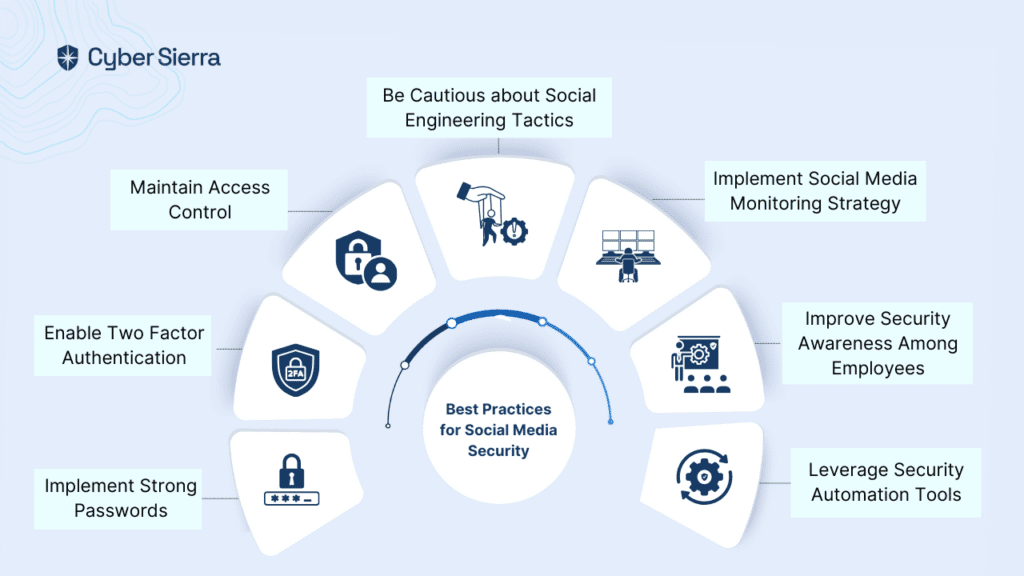
To mitigate these risks, it’s crucial to adopt security best practices that protect both individuals and the company. Here are some best practices for social media security:
1. Implement Strong Passwords
- Establish clear guidelines for creating passwords. Encourage the use of strong and unique passwords, avoid using common phrases, and use a mix of numbers and special characters to bypass social engineering tactics.
- Utilize a password manager to manage multiple social media accounts and to manage the access credentials ensuring all data is secure.
- Emphasize the importance of regular password updates to fortify defenses against evolving security threats. Social media applications release regular updates to ensure privacy and security settings may get more features and changes. Encourage employees to review these settings to ensure that you’re protected from any security vulnerability.
2. Enable Two Factor Authentication
- MFA adds an extra layer of security by requiring additional verification forms such as a code sent to your phone or email in addition to your password. This ensures that even if the passwords are compromised hackers cannot access accounts without additional authentication.
- MFA also prevents cyber attacks by securing accounts even if the credentials or identities have been stolen or exposed by third parties.
- Most social media platforms offer 2FA methods of authentication to reduce the risk of authorized access. Make sure you enable them to protect your accounts and applications.
3. Maintain Access Control
- Apply the least privilege principle and limit access to social media profiles, features, and data to only those employees who need it for their roles, ensuring compliance and minimizing risk.
- Keep track of user actions enabling timely detection and response to unauthorized activities. Verify and audit access permissions regularly to ensure only authorized employees have access, especially when roles change or employees leave the organization.
- Develop procedures for account recovery to ensure that legitimate users can regain access in case of forgotten passwords or other authentication issues.
4. Be Cautious about Social Engineering Tactics
- Be aware of phishing attacks that trick you into revealing sensitive information. Ignore or report suspicious links or messages. Never share passwords, personal details, or financial information through social media or unsecured channels. Legitimate organizations won’t ask for sensitive information this way.
- Verify the identity of senders before interacting with links or messages. Even a trusted coworker, or friends and family’s accounts could have been hacked and their messages could be part of a phishing attack.
- Do not post or store system details or access credentials online, even in private messages. In an event of a data breach, hackers could use this information to infiltrate the system.
- Continuously monitor social media activity across all platforms to detect potential security threats and identify areas of improvement.
- Assign a person to verify the authenticity of all account posts and investigate any unexpected posts that deviate from your social media calendar
- Keep an eye out for imposter accounts, inappropriate brand mentions and negative conversations surrounding your brand to protect your brand reputation.
6. Improve Security Awareness Among Employees
- Educate your employees on identifying phishing attempts, suspicious sites and social engineering tactics through regular training sessions.
- Implement and enforce comprehensive guidelines for social media use, password management and data handling. Make sure new hires receive these guidelines and protocols for handling sensitive information during their onboarding.
- Encourage continuous learning and awareness to follow reliable cybersecurity resources, and ensure annual mandatory privacy and security training for all employees.
- Utilize automation tools to continuously monitor social media accounts in real-time and flag any non-compliant activities or potential security threats.
- Implementing automated systems helps you track all social media interactions and changes providing a clear audit trail for security reviews and incident investigations.
- These systems identify potential threats and patterns and help respond promptly, reducing the risk of data breaches, minimizing the impact of security incidents, and helps restore your online presence.
Social media security faces a multitude of threats today. Especially in regulated industries like banking, finance, and healthcare, it is a critical aspect that cannot be overlooked; making it imperative for companies to stay vigilant and adaptable. Hence implementing these best practices alone may not be sufficient for the evolving threat landscape. That’s where Cyber Sierra comes in.
As an AI-enabled compliance automation platform, Cyber Sierra empowers businesses to achieve comprehensive data security. Through continuous controls monitoring, the platform identifies vulnerabilities in real-time, ensuring proactive threat detection, response, and remediation.
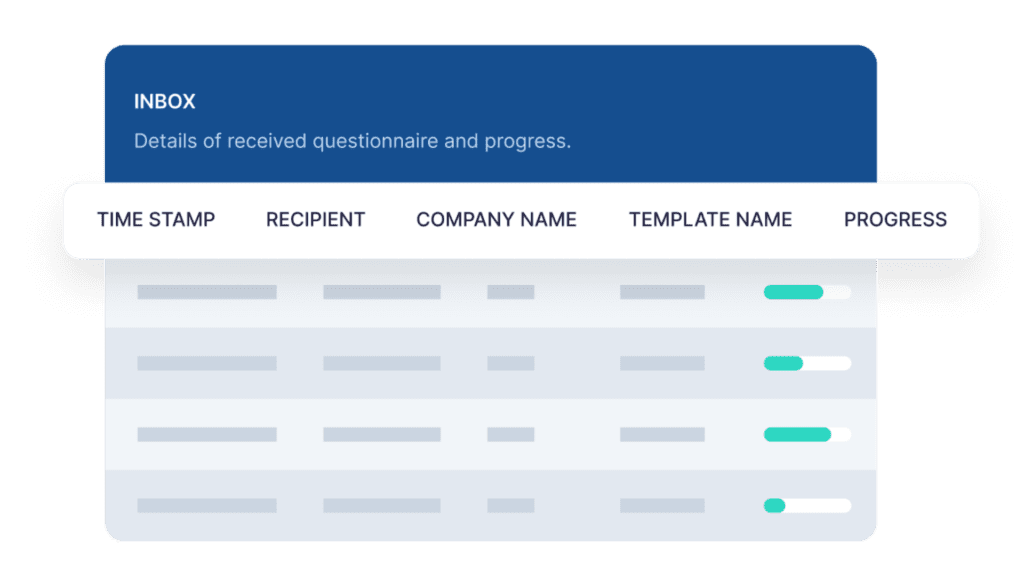
The platform offers comprehensive security policy templates that allows businesses to disseminate to their employees efficiently. It also provides security training modules to educate employees on identifying and mitigating social media security risks.
Read: How Speedoc grew its security posture using Cyber Sierra’s interoperable cybersecurity platform
Cyber Sierra’s specialized third-party risk management (TPRM) module assesses, monitors, and mitigates the vendor risk lifecycle. Additionally, it seamlessly integrates access to cyber insurance policies and facilitates smooth risk transfer, ensuring organizations are financially protected.
To see the platform live in action, schedule a demo today.
Gowsika is a content marketing specialist at Cyber Sierra, where she leverages her expertise to craft compelling narratives that resonate with audiences. With a passion for unraveling complex topics, she brings a fresh perspective to cybersecurity and compliance, addressing customer challenges with clarity and insight. When not immersed in decoding industry jargon, you’ll find her by the seaside, immersed in music and contemplating life’s profound mysteries. Trust Gowsika to guide you through the cyber jungles with her serene demeanor and keen intellect!
Find out how we can assist you in completing your compliance journey.